General Liability Insurance for Software Companies
General liability for a software company looks different from a contractor's policy — there's no job site or crew to insure. It still matters for office leases, coworking agreements, event booths, and the certificate of insurance many enterprise contracts require regardless of your business model.
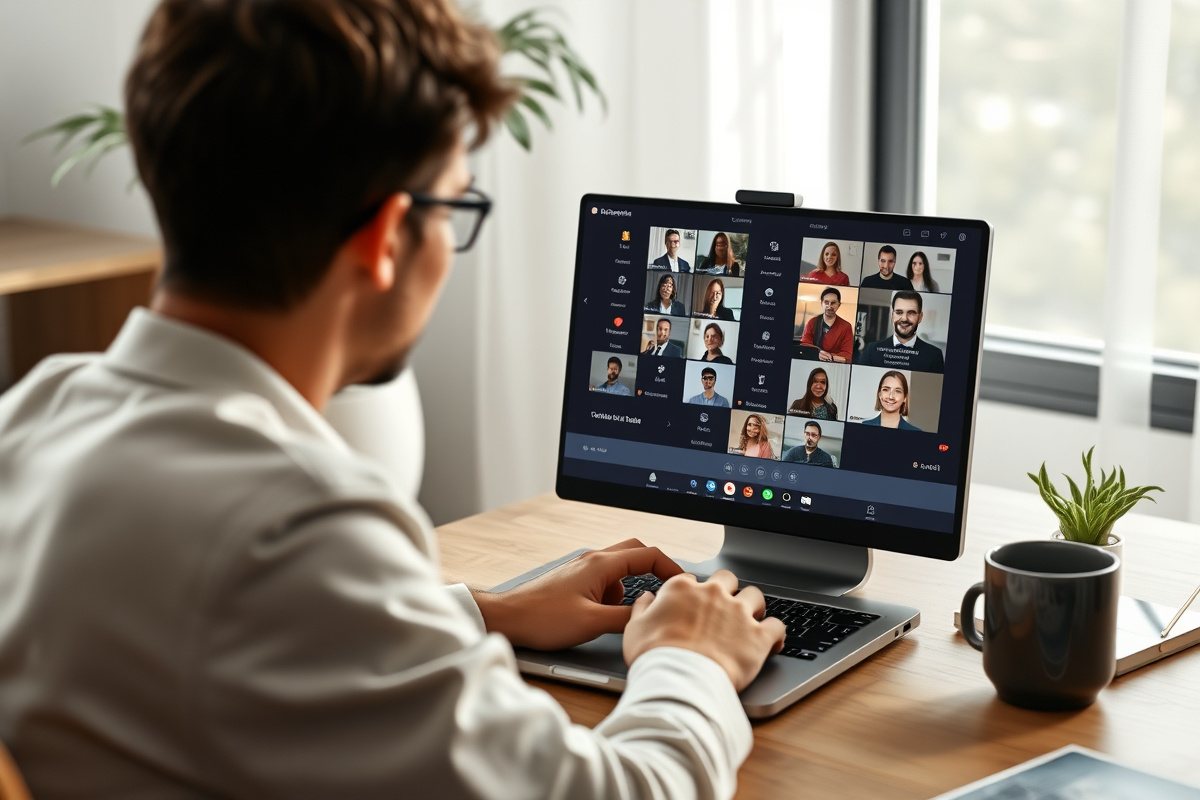
General Liability, Sized for a Remote Software Business
General liability (GL) was built around physical operations — visitors on a job site, a crew working at a client's location, equipment causing property damage. A software-only company with no field operations has a much smaller version of that exposure, but GL is still relevant in a few specific, real ways.
Where GL Still Applies for a SaaS Company
- Office & coworking leases: Landlords and coworking operators routinely require a GL certificate before handing over keys or badge access, even for a five-person remote-first team
- Client & vendor contracts: Many enterprise procurement processes ask for a GL certificate as boilerplate, regardless of whether your business ever sets foot on their premises
- Conferences & events: Booth space at industry conferences almost always requires proof of GL coverage
- Personal & advertising injury: Claims alleging your marketing, advertising, or promotional content caused reputational or advertising-related harm to another party
- Premises liability: If you do maintain any physical office, injury to a visitor there
What GL Does Not Cover for a Software Company
This is the distinction that matters most: GL does not cover a client's claim that your software failed and cost them money — that is Tech E&O. It does not cover a data breach or ransomware event — that is cyber liability. And it does not cover claims against your directors or officers for a governance or fiduciary decision — that is D&O. GL is a narrow, contract-driven policy for a remote software business, not a substitute for the coverage that actually matches how a SaaS company operates.
Why We Still Recommend It
Even at a modest limit, GL is inexpensive relative to the deals and leases it unblocks. Skipping it because "we don't have a job site" is a common mistake — the certificate requirement shows up in procurement and leasing paperwork regardless of whether the underlying risk feels relevant to how you actually operate.
What's Covered
Frequently Asked Questions
Do we need general liability if our team is fully remote?
Often yes — not because of physical risk at a job site, but because commercial leases, coworking agreements, conference booths, and some enterprise procurement processes still require a GL certificate as a condition of doing business, regardless of whether you have a physical office.
Does general liability cover a software bug or an outage?
No. General liability responds to bodily injury, property damage, and personal/advertising injury claims — not a client's claim that your software failed and cost them money. That's covered by technology errors & omissions insurance, a separate policy.